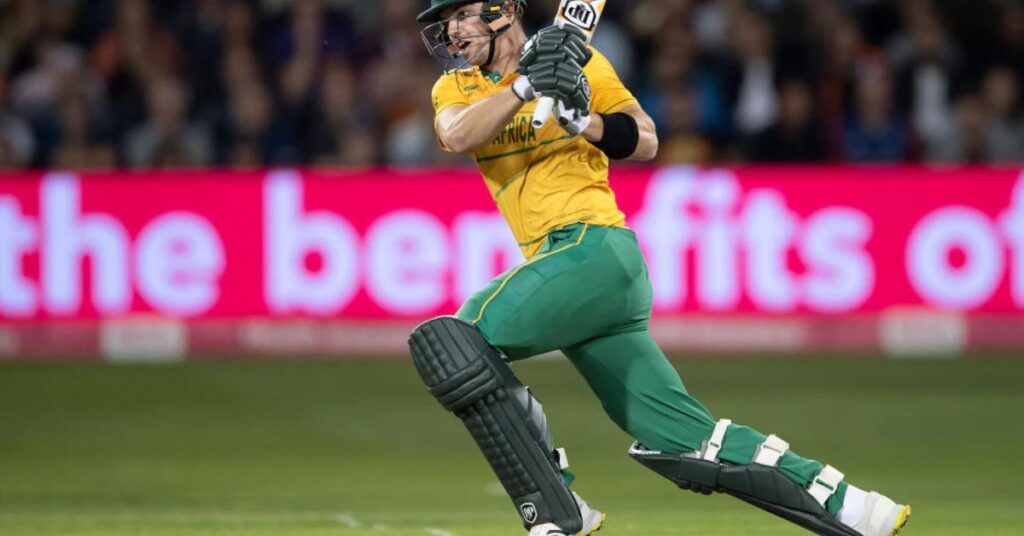

South Africa’s preparations for the ICC Men’s T20 World Cup have entered a critical phase, clouded by multiple injury concerns that threaten to disrupt the team’s balance and momentum. As the tournament draws closer, the Proteas find themselves grappling with fitness uncertainties surrounding key players—an all-too-familiar challenge that has often complicated their World Cup campaigns in the past.
Yet amid the growing concern, there is also a sense of calm resilience within the squad. Fast bowler Anrich Nortje, one of South Africa’s most important weapons in T20 cricket, has struck an optimistic tone, emphasising confidence, adaptability, and belief in the depth of the squad. His upbeat outlook reflects a broader mindset within the camp: while injuries are disruptive, they do not define the team’s destiny.
This blog takes a comprehensive look at South Africa’s injury worries ahead of the T20 World Cup, the players affected, the tactical implications, Anrich Nortje’s role and leadership, and whether the Proteas can overcome yet another pre-tournament challenge to finally mount a serious title push.
T20 World Cup Pressure Builds as Fitness Concerns Mount
World Cups are unforgiving tournaments. There is little room for experimentation, limited time to recover from setbacks, and intense scrutiny from fans and media alike. For South Africa, injury concerns ahead of a global tournament are not new—but that familiarity does not make the challenge any easier.
In T20 cricket especially, squad balance is everything. Each player often fills a very specific role:
- Powerplay enforcer
- Middle-over stabiliser
- Death-over specialist
- All-round contributor
When injuries strike, these finely tuned combinations are disturbed, forcing teams to rethink strategies at the last moment.
The Nature of South Africa’s Injury Concerns
The Proteas’ injury worries are not isolated to one department. Reports suggest concerns across:
- Fast bowling resources
- Middle-order batting depth
- All-round options
This multi-layered uncertainty complicates preparation because replacements are rarely like-for-like in T20 cricket.
Unlike longer formats, where teams can adjust slowly, T20s demand immediate clarity. South Africa’s management must therefore make decisions quickly—balancing risk, fitness, and performance potential.
Fast Bowling: The Backbone Under Threat
South Africa’s identity in international cricket has long been tied to fast bowling. From the powerplay to the death overs, pace has traditionally been their greatest strength.
However, injuries to fast bowlers ahead of the T20 World Cup raise critical questions:
- Who will provide early breakthroughs?
- Who will bowl the high-pressure death overs?
- How will workloads be managed in a compressed schedule?
This is where Anrich Nortje’s presence becomes especially important.
Anrich Nortje: A Pillar of Confidence
In the midst of uncertainty, Anrich Nortje has emerged as a voice of reassurance. Known for his express pace and competitive edge, Nortje has made it clear that while injuries are a concern, they are not a reason for panic.
His optimism is rooted in:
- Trust in South Africa’s system
- Confidence in squad depth
- Belief in adaptability
Such leadership is invaluable in tournament settings, where emotional stability can be just as important as skill.
Why Nortje’s Mindset Matters
Anrich Nortje is not just a bowler—he is a tone-setter.
In T20 cricket:
- Fast bowlers dictate tempo
- Aggression can shift momentum
- Confidence spreads quickly through the team
By projecting calm assurance, Nortje helps:
- Reduce anxiety among teammates
- Encourage replacements to perform freely
- Reinforce belief in collective strength
This mental edge could prove decisive.
Tactical Implications of Injury Setbacks
Injuries force teams to reconsider how they approach matches.
Bowling Combinations
South Africa may need to:
- Rotate bowlers more frequently
- Reduce reliance on express pace
- Use variations and match-ups more creatively
This could lead to a more strategic, less brute-force bowling approach.
Batting Order Adjustments
If middle-order players are affected, South Africa may:
- Promote younger batters
- Rely more heavily on top-order stability
- Expect bowlers to contribute additional runs
Such shifts increase responsibility on key performers.
Depth Under the Spotlight
One of the recurring criticisms of South Africa in past tournaments has been perceived lack of depth under pressure. This T20 World Cup may challenge that narrative.
The injury situation provides:
- An opportunity for fringe players
- A test of bench strength
- A chance to build long-term confidence
Teams that win World Cups are often those whose replacements rise seamlessly.
Learning From Past World Cup Campaigns
South Africa’s World Cup history is filled with moments where:
- Injuries altered plans
- Late changes unsettled combinations
- Pressure magnified uncertainty
However, recent years have also shown improvement in:
- Squad rotation
- Player workload management
- Mental conditioning
The current injury concerns will test how far the Proteas have come.
Managing Player Workloads
Modern T20 cricket places enormous physical strain on players:
- Frequent travel
- Back-to-back matches
- High-intensity bowling spells
South Africa’s management must now:
- Avoid rushing players back
- Prevent recurrence of injuries
- Balance match fitness with long-term health
This cautious approach may limit immediate options but could preserve performance deeper into the tournament.
Anrich Nortje’s Role on the Field
From a cricketing perspective, Nortje’s role is pivotal.
Powerplay Overs
His pace can:
- Disrupt opening batters
- Force false shots
- Set an aggressive tone early
Death Overs
At the death, Nortje offers:
- Raw pace that limits scoring options
- Ability to bowl hard lengths
- Pressure through intimidation
With injuries elsewhere, his responsibility increases.
Leadership Beyond the Captaincy
Even without formal captaincy, senior players shape team culture.
Nortje contributes through:
- Energy in the field
- Intensity in training
- Support for younger bowlers
This informal leadership becomes crucial when squads are unsettled.
How Opponents Might Respond
Rival teams will closely analyse South Africa’s injury situation.
They may:
- Target inexperienced replacements
- Attempt to exploit weakened phases
- Increase pressure early in matches
South Africa must counter this by:
- Keeping plans simple
- Backing players confidently
- Avoiding defensive mindsets
Opportunity in Adversity
While injuries are disruptive, they also create unexpected opportunities.
History shows that:
- Breakout performers often emerge in World Cups
- New combinations can surprise opponents
- Reduced expectations can free players mentally
South Africa’s challenge is to convert adversity into advantage.
Mental Strength: The Invisible Battle
World Cups are as much psychological contests as physical ones.
Injury-hit squads face:
- Doubt from outside
- Internal uncertainty
- Increased scrutiny
Anrich Nortje’s upbeat stance helps counter these pressures, reminding the team that belief often precedes performance.
Fans’ Perspective: Concern Mixed With Hope
South African fans are understandably anxious. Injuries ahead of major tournaments have often preceded disappointment.
Yet there is also:
- Faith in emerging talent
- Trust in experienced leaders
- Hope that this squad can finally break past barriers
Nortje’s confidence resonates with supporters seeking reassurance.
Selection Dilemmas Ahead
The injury concerns present selectors with tough decisions:
- Pick experienced players with fitness risks?
- Or back younger, fully fit options?
In T20 cricket, fitness often outweighs reputation, but experience can be invaluable under pressure.
Why South Africa Still Have a Strong Case
Despite the setbacks, South Africa retain several strengths:
- Explosive top-order batters
- Versatile bowling options
- Improved fielding standards
- Growing tactical maturity
In many ways, the team is better prepared than in previous campaigns.
Anrich Nortje as a Symbol of Resilience
Nortje’s outlook symbolises a broader shift in South African cricket:
- From anxiety to adaptability
- From reliance on individuals to collective belief
- From fear of failure to embracing challenge
Such mindset shifts often precede breakthrough moments.
Comparing With Other Teams’ Injury Struggles
South Africa are not alone. Many T20 World Cup contenders face:
- Fast bowler injuries
- All-rounder fitness concerns
- Compressed preparation windows
The tournament will reward teams that manage adversity best—not those with perfect build-ups.
Also Read: India vs Bangladesh LIVE Score, U19 World Cup 2026
What Success Looks Like Now
Given the circumstances, success for South Africa may involve:
- Maintaining competitive intensity
- Avoiding injury-related panic
- Building momentum through group stages
Trophies are won by teams that peak at the right time—not those that enter perfectly.
Long-Term Impact Beyond the World Cup
How South Africa handle this situation will influence:
- Player confidence
- Depth development
- Future tournament preparation
Adversity today can strengthen squads for years to come.
Conclusion: Cautious Concern, Quiet Confidence
There is no denying that major injury concerns have complicated South Africa’s build-up to the T20 World Cup. Fitness issues always raise alarms, especially for a team with a complex World Cup history.
Yet within this uncertainty stands Anrich Nortje’s calm optimism—a reminder that preparation, belief, and adaptability often matter more than perfect conditions. Injuries may alter plans, but they do not erase potential.
South Africa enter the T20 World Cup facing challenges, but not without hope. With leaders like Nortje setting the tone, and a squad that continues to grow in resilience, the Proteas still have an opportunity to redefine their narrative on the world stage.
In a tournament where momentum can change in a single over, belief might just be South Africa’s most valuable asset.